Where Ancient Dragons Roam
Komodo Island
Komodo Island is the largest island in Komodo National Park and the primary habitat of the legendary Komodo dragon (Varanus komodoensis), the world’s largest living lizard. This remote volcanic island
About Komodo Island
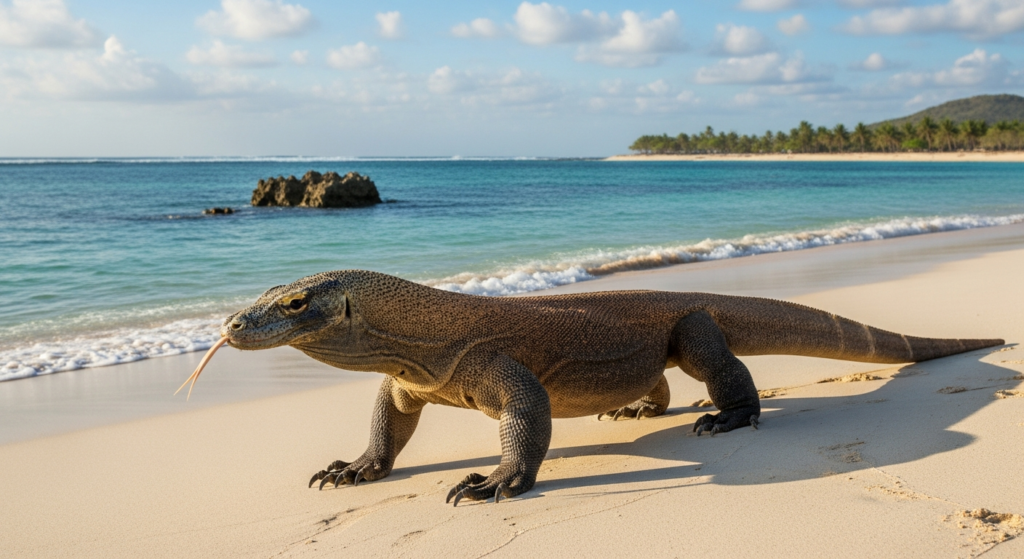
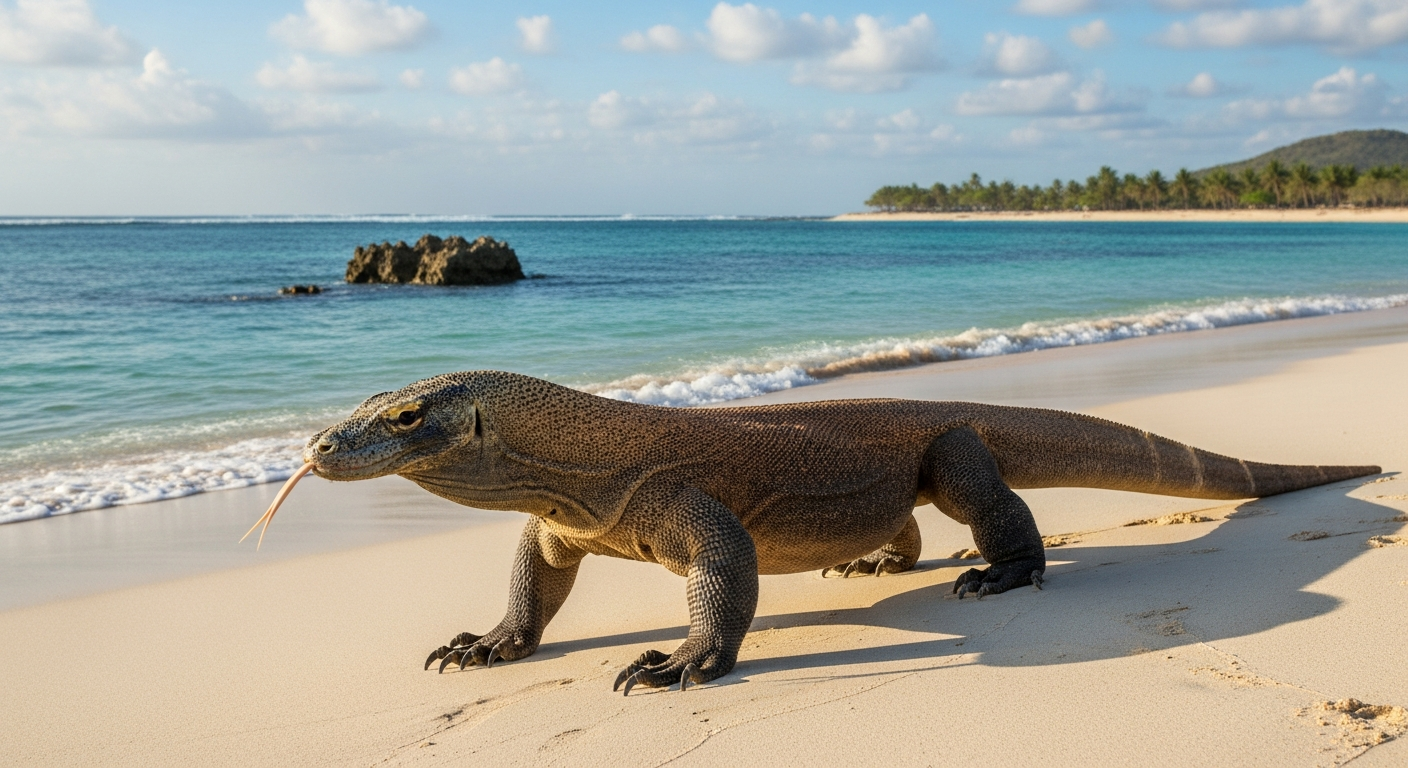
Komodo Island is the largest island in Komodo National Park and the primary habitat of the legendary Komodo dragon (Varanus komodoensis), the world’s largest living lizard. This remote volcanic island, covering 390 square kilometers of rugged terrain, is home to approximately 1,700 Komodo dragons along with deer, wild boar, water buffalo, and over 100 species of birds.
A guided trek on Komodo Island is one of the most unforgettable wildlife encounters on Earth. Accompanied by experienced ranger guides carrying forked sticks for safety, you walk through savanna grasslands, dry forests, and mangrove-fringed coastlines where Komodo dragons can be observed basking, hunting, and patrolling their territory.
The island also offers excellent coastal scenery, beach areas, and nearby snorkeling sites. Combined with Pink Beach, which lies on Komodo Island’s southeastern coast, a visit to Komodo Island provides both terrestrial wildlife encounters and marine exploration on the same stop.
Highlights & Activities
Komodo Dragon Trekking
Guided walks through Komodo dragon habitat with certified park rangers. Observe these prehistoric predators in the wild — adults can reach 3 meters in length and weigh over 70 kilograms. Multiple trekking routes from short to long are available.
Wildlife Diversity
Beyond dragons, Komodo Island hosts Timor deer, wild boar, water buffalo, crab-eating macaques, and over 100 bird species including the orange-footed scrubfowl, Flores hawk-eagle, and green imperial pigeon.
Ranger-Guided Treks
All visitors must be accompanied by certified park rangers who know dragon behavior, safe distances, and the best spots for sightings. Rangers carry forked sticks as a precaution and provide fascinating insights into dragon ecology.
Coastal Landscapes
Dramatic volcanic hills, savanna grasslands, mangrove forests, and pristine beaches create diverse scenery. The island’s rugged coastline offers sheltered bays for anchoring and beautiful sunset viewpoints.
What to Do at Komodo Island
The primary activity on Komodo Island is a ranger-guided trek to observe Komodo dragons. Three trek options are available: a short walk (1 hour) around the ranger station area, a medium trek (2 hours) through surrounding forest and savanna, and a long adventure trek (3-4 hours) deeper into the island. Most liveaboard itineraries include the medium trek, which offers the best balance of dragon sightings and diverse landscape.
After the trek, visitors can explore the nearby beach area, visit the park information center, and learn about conservation efforts for the Komodo dragon species. The waters around the island offer snorkeling opportunities, though most liveaboards combine Komodo Island with nearby Pink Beach for dedicated underwater exploration.
How to Get to Komodo Island
Komodo Island is located approximately 3 hours by liveaboard from Labuan Bajo. The main visitor entry point is Loh Liang on the island’s eastern coast, which has a ranger station, jetty, and basic facilities. All visits require Komodo National Park entrance fees and ranger guide fees, which are included in our liveaboard packages.
Frequently Asked Questions
Is it safe to visit Komodo Island?
Yes, when following ranger guidelines. All visitors are accompanied by certified park rangers who understand dragon behavior and maintain safe distances. Incidents are extremely rare. Follow your guide’s instructions, stay on marked trails, and avoid sudden movements.
How many Komodo dragons are on Komodo Island?
Approximately 1,700 Komodo dragons live on Komodo Island, with the total park population estimated at around 3,100 across Komodo, Rinca, and smaller islands. Sightings are virtually guaranteed, especially near the ranger station where dragons are frequently observed.
What is the Komodo National Park entrance fee?
Entrance fees for foreign visitors are approximately IDR 350,000 (around $22) per person on weekdays and IDR 500,000 (around $32) on weekends and holidays, as of 2026. These fees are included in all our liveaboard packages.
Visit Komodo Island on Your Liveaboard
Include Komodo Island in your custom Komodo liveaboard itinerary. Contact our team to design the perfect sailing route.
Best Time to Visit Komodo Island
The optimal period to visit Komodo Island typically runs from April through November, when the dry season brings calm seas, excellent visibility, and perfect conditions for diving and snorkeling. During these months, the water temperature hovers around 28-29°C (82-84°F), and you’ll experience minimal rainfall and stable weather patterns ideal for liveaboard adventures.
July and August are peak season, offering the best visibility and most stable conditions, though these months also attract more visitors. For a more exclusive experience with fewer crowds, consider visiting in April-May or September-October, when conditions remain excellent but the tourism numbers decrease considerably. December through March represents the wet season with higher rainfall and rougher sea conditions, making some activities unpredictable.
How to Get There
International Access: Most visitors fly into Mutiara Adisutjipto International Airport in Yogyakarta or Ngurah Rai International Airport in Bali, both major hubs with connections to major cities worldwide. From either airport, you’ll connect via a domestic flight to Komodo Airport (LBJ) in Labuan Bajo, approximately 1.5 hours from Yogyakarta and 2 hours from Bali.
From Labuan Bajo: Upon arrival at Komodo Airport, we arrange ground transportation to our dive center in Labuan Bajo town. Most liveaboard departures occur from the Labuan Bajo harbor. Our team will coordinate all transfer logistics, ensuring a seamless journey from your arrival to boarding your vessel. The drive from the airport to town takes approximately 30 minutes.
Liveaboard Embarkation: Komodo Island is exclusively accessible via liveaboard diving expeditions. We provide comprehensive briefing and equipment checks the day before departure, allowing you to familiarize yourself with the vessel, meet your crew, and prepare for the adventure ahead. Your first dive typically occurs the following morning after a full night’s rest aboard.
What to Expect
Luxury Accommodation: Our liveaboard vessels provide accommodations ranging from comfortable cabins to premium suites, each equipped with en-suite bathrooms, air conditioning, and modern amenities. Spacious communal areas include sun decks, dining rooms, and relaxation lounges where you can socialize with fellow divers or unwind between dives.
Daily Dive Schedule: Expect 3-4 dives per day, typically scheduled for early morning, mid-morning, afternoon, and occasionally a night dive. Each dive is guided by experienced professionals who possess intimate knowledge of the local underwater topography and marine life. All equipment is provided and meticulously maintained, though you’re welcome to bring personal gear.
Culinary Experience: Our onboard chef prepares international and Indonesian cuisine daily, accommodating dietary requirements and preferences. Fresh seafood, tropical fruits, and carefully selected ingredients ensure every meal is a memorable experience. Unlimited beverages, including premium coffee and tea, are available throughout the day.
Marine Biodiversity: Komodo Island showcases Indonesia’s remarkable underwater ecosystems. You’ll encounter vibrant coral formations, schools of tropical fish, and depending on the location, encounters with manta rays, sharks, sea turtles, and countless macro species. Each dive presents new discoveries in this globally significant marine reserve.
Photography Tips for Komodo Island
Equipment Recommendations: A quality underwater camera system is essential. DSLR or mirrorless cameras with underwater housings provide professional results, while compact cameras and action cameras offer convenient alternatives. Bring redundant backup batteries and memory cards, as opportunities for charging are limited aboard the vessel.
Lighting Considerations: The variable visibility around Komodo Island demands attention to lighting. Bring a primary dive light and consider a focus light for macro photography. Wide-angle lenses with supplemental lighting excel at capturing reef scenes and larger animals, while macro lenses reveal intricate details of smaller species and coral formations.
Composition Techniques: Utilize the rule of thirds to create compelling compositions. Photograph subjects with the reef or blue water as backdrop for context. During current dives, position yourself above and behind subjects to capture their natural behavior. Early morning and late afternoon dives often provide the most flattering light for color saturation and detail.
Safety First: Always prioritize dive safety over photography. Maintain neutral buoyancy to avoid contact with the reef. Never chase animals or manipulate the environment for better shots. Your dive guide’s instructions supersede photography opportunities—they know the site and conditions intimately.
Frequently Asked Questions
What is the visibility like at Komodo Island?
Visibility typically ranges from 15-40 meters, depending on season, location, and recent weather conditions. The dry season (April-November) generally provides superior visibility, while current patterns can occasionally reduce it temporarily. Our guides continuously monitor and select dive sites for optimal conditions.
What certification levels are required?
Most dives require PADI Open Water certification or equivalent. Some advanced sites may recommend Advanced Open Water certification. Absolute beginners can participate in Discover Scuba Diving programs with instructor supervision. All divers must present valid certification cards and demonstrate competent skills during initial briefings.
What is included in the liveaboard package?
Our liveaboard packages include accommodation, all meals and beverages, diving (typically 3-4 dives daily), professional guides, equipment rental (if needed), and all necessary permits for the marine reserve. Personal travel insurance, gratuities, and specialized photographic services are additional.
What marine life might we encounter?
Komodo Island hosts exceptional biodiversity including reef sharks, manta rays, sea turtles, groupers, fusiliers, schooling jacks, and countless macro species. Seasonal variations mean different species appear at different times. Our guides provide detailed briefing on probable encounters before each dive.
What should I pack for a liveaboard expedition?
Pack light, quick-dry clothing suitable for tropical climate, personal medications, sun protection (reef-safe sunscreen), a light jacket for air-conditioned cabins, and toiletries. Bring personal diving equipment if preferred, though all standard gear is provided. Limited luggage space makes compact packing essential.
How are medical emergencies handled?
Our vessels carry comprehensive medical kits and oxygen supplies. All guides are trained in first aid and emergency procedures. Labuan Bajo maintains adequate medical facilities, and helicopter evacuation services are available if critical emergencies occur. We strongly recommend comprehensive travel and diving insurance.
What is the physical fitness requirement?
While diving doesn’t require exceptional fitness, you should be comfortable with physical activity and able to carry equipment weighing 10-20kg. Some dives involve surface swimming and moderate currents. If you have medical conditions or health concerns, consult your physician and notify our team before departure.
Can non-divers participate?
Yes! Non-divers can enjoy the liveaboard experience with snorkeling opportunities, relaxation, photography from the surface, and island exploration. Many expeditions offer Discover Scuba programs allowing non-certified individuals to experience diving with instruction. Contact us to discuss options for mixed groups.
What environmental conservation practices are used?
We’re committed to environmental stewardship. All operators follow strict no-touch, no-feed protocols. We use reef-safe products exclusively, practice proper buoyancy to avoid reef contact, and support local conservation initiatives. Our practices align with UNESCO World Heritage Site requirements protecting these exceptional marine ecosystems.
Nearby Destinations to Explore
The Komodo National Park encompasses numerous extraordinary dive sites within easy reach. Consider extending your adventure by combining Komodo Island with nearby destinations in the same expedition or consecutive trips:
- Explore Padar Island – Another spectacular site offering unique marine life and geological formations
- Discover Rinca Island – Complementary dive experiences within the national park
- View All Destination Pages – Complete guide to Komodo National Park dive sites
Recommended Itineraries
We offer curated expedition itineraries specifically designed to include Komodo Island alongside complementary dive sites, maximizing your experience within the Komodo National Park:
- View Our Diving Packages – Browse available itineraries and book your adventure
- Check Pricing Information – Transparent pricing for all liveaboard durations
Ready to Experience Komodo Island?
Join us for an unforgettable diving expedition to Komodo Island. Contact our team today to discuss your preferences, answer questions, and secure your spot on an upcoming liveaboard adventure. We’re committed to creating memories that last a lifetime.