About the ParkOne Park, Three Great Islands and 1,000 Reefs
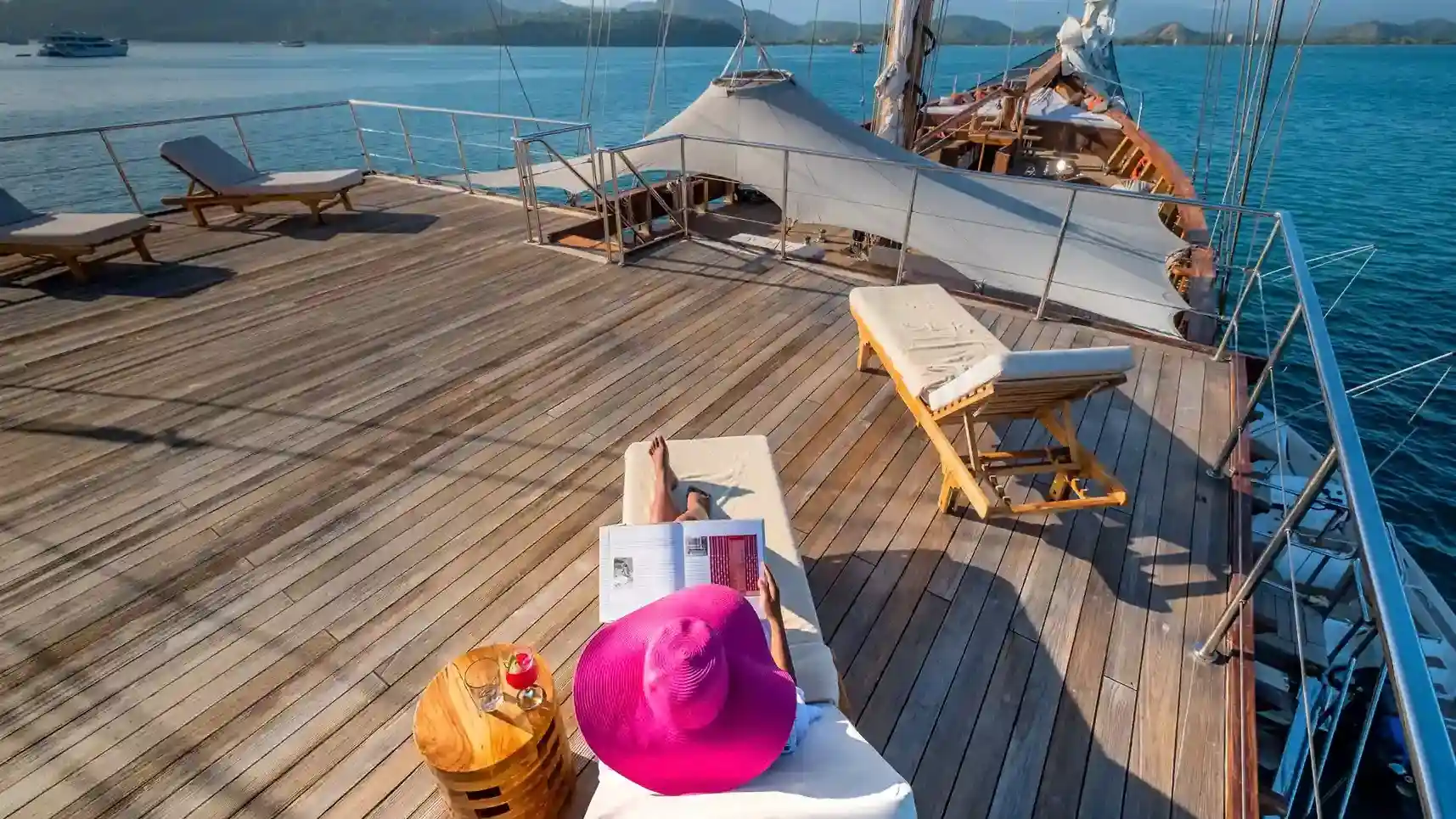
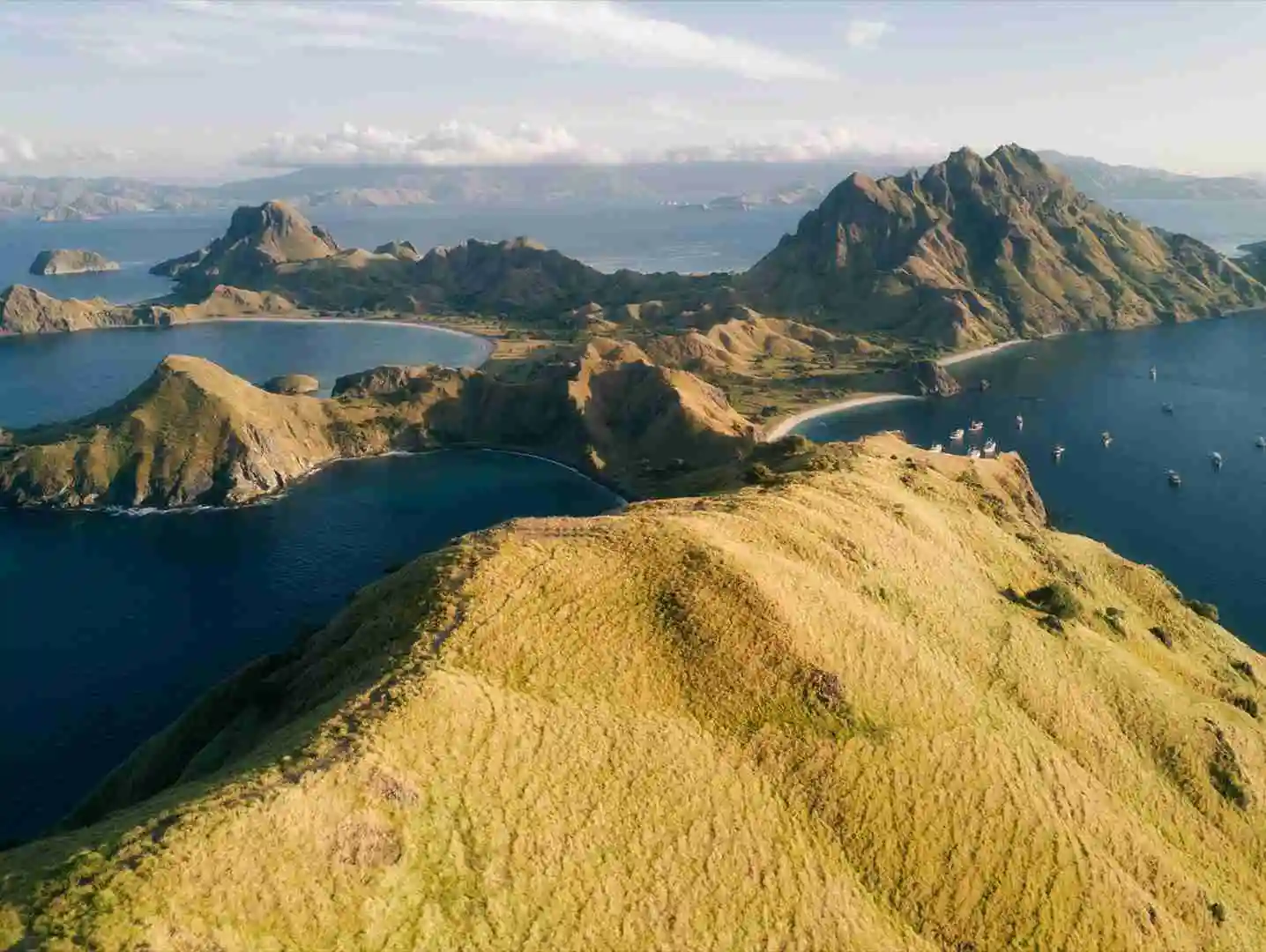
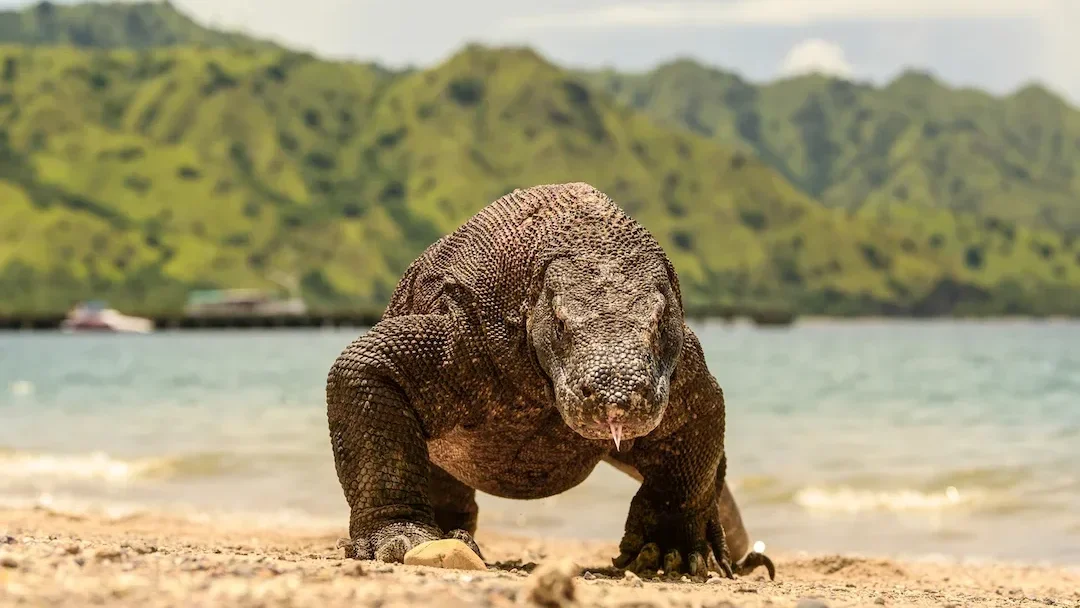
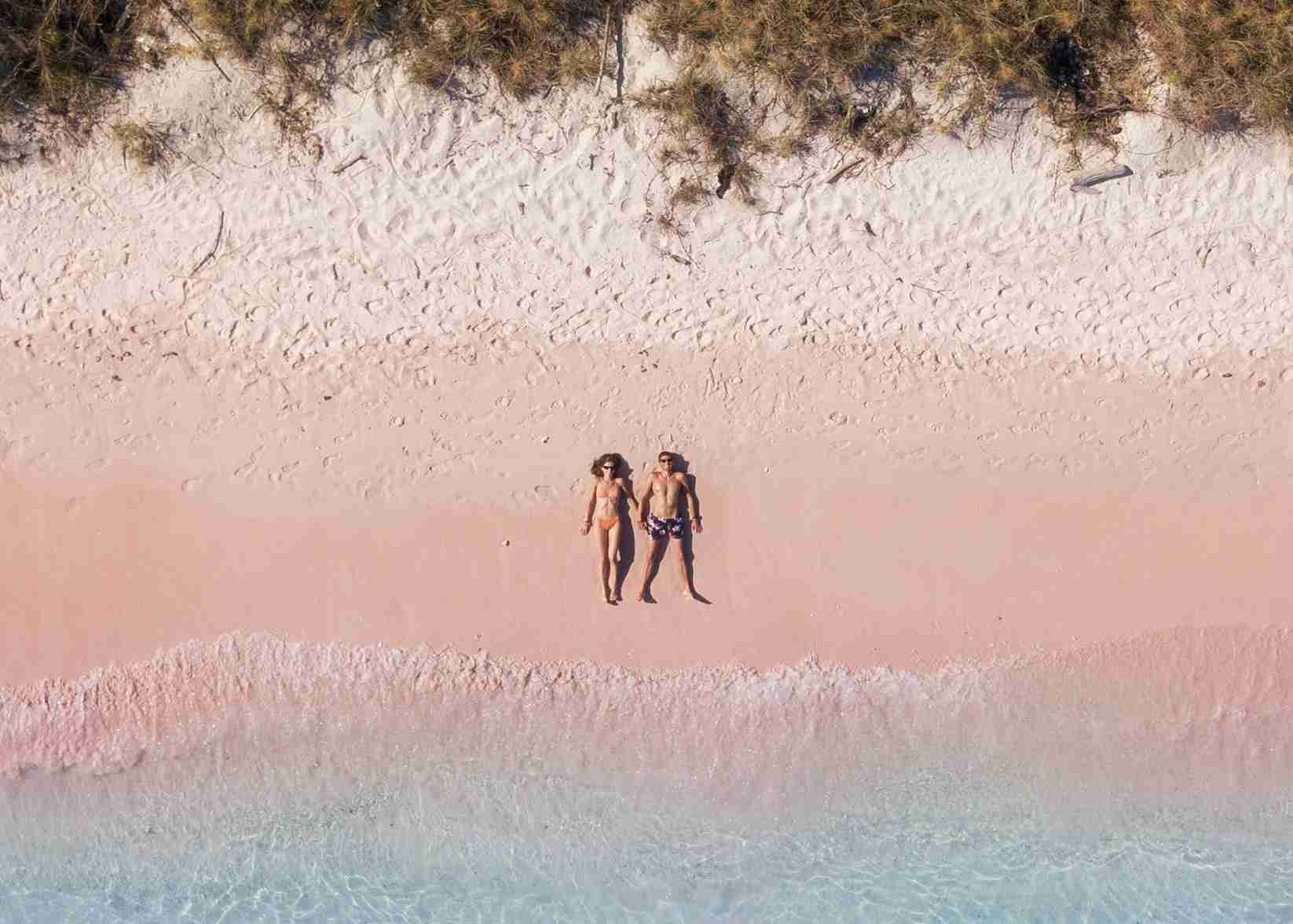
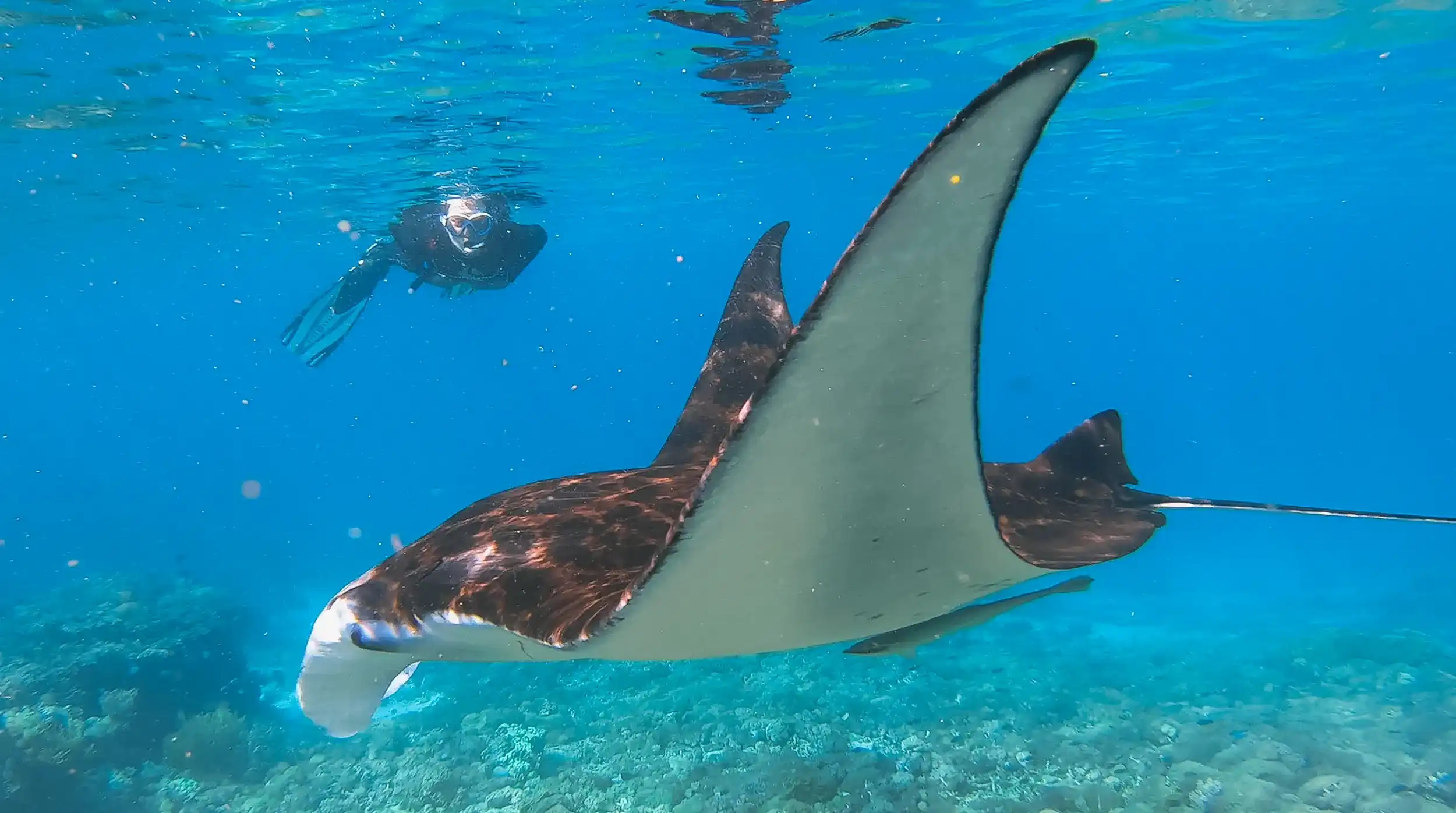
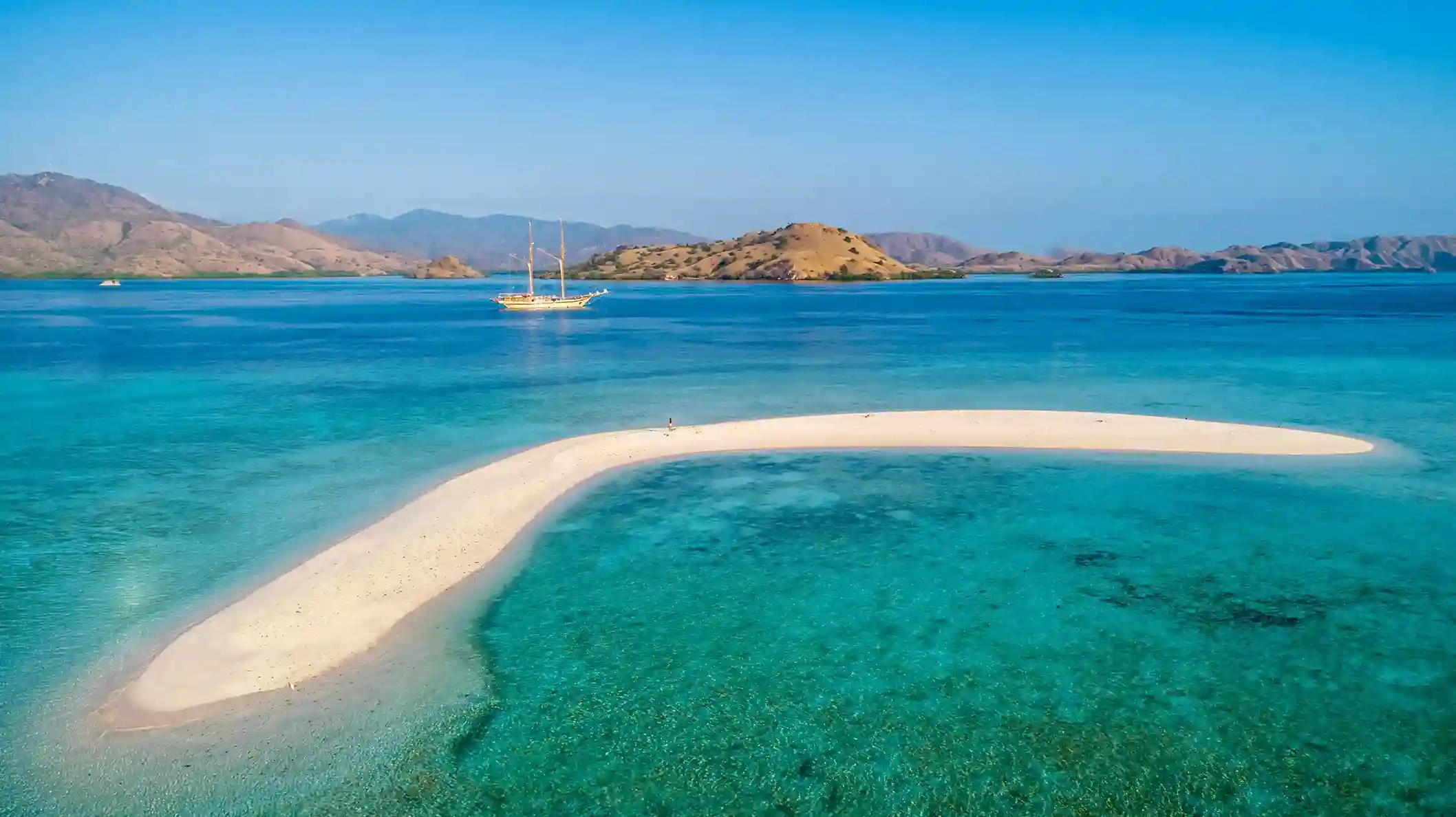
Where is Komodo National Park? Komodo National Park is in East Nusa Tenggara province, Indonesia, between the islands of Sumbawa and Flores. The gateway is the harbour town of Labuan Bajo on western Flores — about a one-hour flight from Bali, with new direct international routes from Singapore (Scoot) and Kuala Lumpur (AirAsia). The park protects Komodo, Rinca and Padar islands plus 26 smaller ones, and has been a UNESCO World Heritage Site since 1991.Komodo National Park spans 1,733 square kilometres across the volcanic transition between the islands of Flores and Sumbawa, in Indonesia’s East Nusa Tenggara province. Established in 1980 and named a UNESCO World Heritage Site in 1991, the park protects three major islands — Komodo, Rinca and Padar — alongside 26 smaller ones, all rimmed by some of the most biodiverse coral reefs on the planet. It is the only place on Earth where you can trek prehistoric dragons in the morning and drift over a manta cleaning station the same afternoon.The park was originally created to protect the Komodo dragon, the world’s largest living lizard, but its waters proved equally extraordinary. Lying at the meeting point of the Pacific and Indian Oceans, the reefs here host more than 1,000 species of fish, 260 species of coral, manta rays, reef sharks, turtles and seasonal whales. Above the waterline, sun-bleached savanna ridges, hidden bays and the famous pink-tinted beaches make every anchorage feel like a different country.Because the icons are scattered across a wide area — Padar in the south, Komodo and Rinca in the centre, dive walls and Pink Beach between them — a multi-day liveaboard is the natural way to experience the park. You sail overnight between sites, reaching each one at its quietest, and fall asleep at anchor under skies with no light pollution at all.Visiting in 2027: the park now runs a daily visitor cap of around 1,000 people (piloted since April 2026) with three timed entry sessions, and all tickets are booked through the official Siora app. Entrance for foreign visitors is IDR 250,000 per day plus guide (IDR 75,000) and conservation (IDR 25,000) fees, with ranger-led treks charged per group. Under the daily visitor quota, every Komodo National Park liveaboard now plans its landings around the timed sessions — and on every Labuan Bajo Liveaboard departure our crew handles the Siora bookings, sessions and fees for you.